Locker Integrations in Higher Education: Adapting Existing Infrastructure for a Changing Mail Landscape
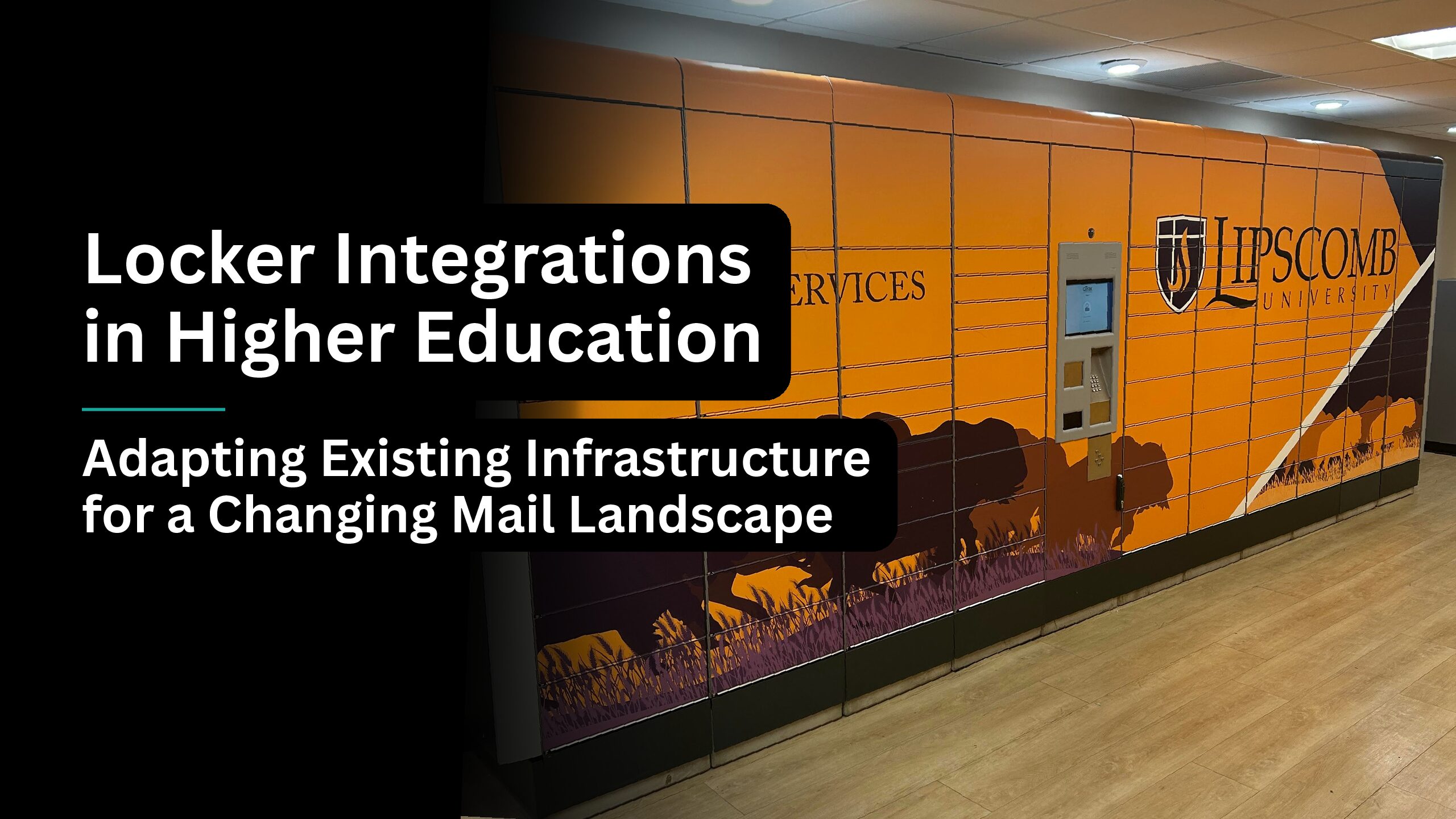
It is no secret that mail and package operations on college and university campuses have changed dramatically over the past two decades. As package volumes increased, smart locker systems emerged as a practical response to the growing demands placed on campus mail centers. Over time, many institutions have found that these locker systems are not always operating at their full potential. What began as an innovative solution can become limited by constrained workflows, aging software, or systems that no longer align with current operational needs. However, one strategy that is gaining traction in higher education is locker integrations.
A locker integration allows an institution to retain the physical shell of their existing package locker system while replacing or updating the internal hardware and software that manages it. Instead of removing and reinstalling lockers, a costly and wasteful process, campuses can adapt what they already have to better align with their current operational needs. This approach is becoming increasingly relevant for colleges and universities seeking flexibility, efficiency, and long-term sustainability in their mail and package services.
The Changing Reality of Campus Mail
At Lipscomb University, these shifts are all too familiar. The university serves between 4,500 and 5,000 students, roughly half of whom live on campus, while also supporting faculty, staff, and a K–12 campus school. According to the Director of Shipping and Postal Logistics, who has spent more than four decades at the institution, the transformation has been dramatic.
“Packages were minimal, and mail was heavy,” he explained, reflecting on earlier years. “Now the mail volume itself is down to probably less than 100 pieces a day… but package volume on the other side of that coin is quite high.”
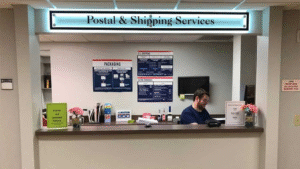
During peak periods, such as the start of a semester, the mail operation may process more than a thousand packages in a single week. This reality is not unique to Lipscomb. Many campus mail centers face similar volume spikes while working within the constraints of limited space, staffing, and budgets.
Why Lockers Became Essential
Package lockers have become a critical tool for managing this volume efficiently. They allow for high-density storage, self-service pickup, and reduced wait times for students. For many mail professionals, lockers are no longer optional.
“I couldn’t do this without lockers,” the Lipscomb director said. “Quite frankly, I don’t understand how anyone can.”
Yet lockers themselves are only part of the equation. How those lockers integrate into daily workflows, and into broader mail tracking systems, can make the difference between efficiency and frustration.
From Replacement to Integration
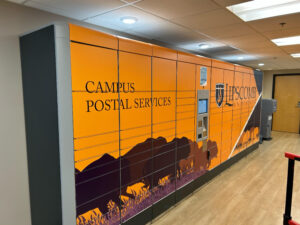
Traditionally, upgrading locker systems meant removing old units and installing entirely new ones. Locker integrations challenge that assumption. Instead, institutions keep the existing locker cabinets and replace the internal components.
At Lipscomb, the decision to transform the existing locker system rather than replace it outright was driven by practicality and cost efficiency, not dissatisfaction with the physical lockers themselves.
“It wasn’t a matter of not liking the lockers,” the director explained. “We just decided it was more cost-efficient and flexible for us to transition to one system.”
This distinction is important. Locker integrations are not about discarding functional infrastructure; they are about rethinking how that infrastructure is used.
Operational Continuity During integrations
One concern institutions often have about integrations is disruption. However, when planned carefully, locker integrations can be implemented with minimal impact on daily operations. At Lipscomb, the transition occurred during the academic year and required only limited planning. From the end-user perspective, students experienced no change in how they accessed their packages.
“The customer can access the lockers, and they know no differently…” the director noted. “I think that’s important.”
Behind the scenes, however, staff gained much greater flexibility. Package processing could be handled from mobile devices rather than at a fixed kiosk, and data became more centralized and accessible.
Lessons for the Industry
For NACUMS members navigating similar experiences, the takeaway is clear:
Your hardware should not dictate your software.
Before committing to a replacement project, institutions should pause and ask whether the problem is truly physical, or simply architectural.
A software-centered approach can offer more flexibility and adaptability, allowing mail centers to evolve with changing delivery patterns and student expectations. As package volumes continue to increase across higher education, this perspective enables campuses to scale without becoming constrained by a single hardware platform.
Looking Ahead
The key lesson for campuses looking to transform their locker systems is the essential role of thorough research to ensure a proper fit.
“Every product is not the best product for everyone…” the director emphasized. “It’s incumbent on us to do our homework and explore what the possibilities are.”
Locker integrations represent one such possibility, an approach that balances innovation with practicality. By reusing and reinvesting into existing infrastructure, institutions can respond to changing demands without unnecessary waste or disruption.
As package delivery continues to shape campus logistics, locker integrations offer a compelling example of how higher education can adapt thoughtfully, making the most of what is already in place while preparing for what comes next.